



[vc_row][vc_column][vc_column_text]
What is Lycopene?
Lycopene is a carotenoid. Carotenoids are a family of pigments that give fruits and vegetables like tomatoes, papayas, watermelons have a bright red colour. It is a powerful antioxidant.
The shape of the lycopene structure enables it to destroy free radicals that damage cells. Excessive free radical damage has been associated with cancer, heart disease, accelerated aging and Alzheimer’s disease.
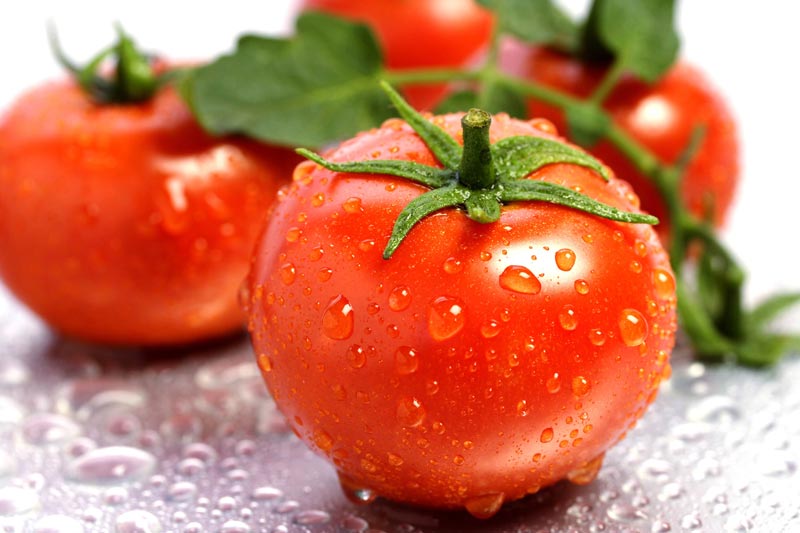
Lycopene is a powerful anti-oxidant
[/vc_column_text][/vc_column][/vc_row][vc_row][vc_column][vc_column_text]
Benefits of Lycopene
Anti-Cancer Benefits
Lycopene has been shown to reduce the risks of prostate cancer, breast cancer, lung cancer and stomach cancer.
In a study done by the Journal of the National Cancer Institute, lycopene may help to reduce the risk of breast cancer.
Lycopene has also been shown to reduce the risks of prostate cancer in a study done by the Journal of the National Cancer Institute. Prostate cancer has the third highest incidence of all male cancers worldwide.
Reduce risk of Heart Disease
In a research carried out by Dr Joseph Cheriyan from the University of Cambridge, it was found that lycopene improved the function of blood vessels in cardiovascular disease patients.
It helped to improve the endothelial function. The endothelium is the inner lining of the blood vessels. The endothelial function is an important factor in predicting risk of cardiovascular disease.
Lycopene is not a substitute for other treatments, but it may provide added benefits when taken with other medication. Research has also found that people with high levels of lycopene in their blood have lower rates of heart disease.
Prevention of Strokes
In a recent study published by the Journal of Neurology, a team of Finnish researchers found that the higher the lycopene levels in the blood, the lower the risk strokes due to blood clots (the most common type).
Researchers have suggested that apart from lycopene’s antioxidant properties, it may have anti-inflammatory and cholesterol-lowering function, improving immune function and prevent blood clotting.
This helps to reduce ischaemic strokes which are caused by blood clots blocking normal blood circulation in the brain.
Support Skin and Hair Health
Lycopene is not a precursor of vitamin A. It is the shape of lycopene that enables it to inactivate free radicals. Early research has shown that taking lycopene might protect against sunburn.
Dr Nick Lowe, a dermatologist and former senior lecturer at University College London recommends his patients to take lycopene a week prior to and during holidays in the sun. Sunscreen use is still advised during sun exposure. Lycopene may also help in female pattern hair loss as reported in the Journal of Cosmetic Dermatology.
Reduction of Hip Fractures
From the Framingham Osteoporosis Study, it was shown that those elderly men and women whose mean age was 75 years +/- 5 years had a reduced risk of hip fractures when the lycopene intake was higher.
[/vc_column_text][vc_column_text]
Prevention of Alzheimer’s Disease
A study published in the National Center for Biotechnology Information, has shown that high levels of lycopene maybe associated with lower risk of Alzheimer’s Disease mortality.
High intakes of lycopene may result in a deep orange discoloration of the skin. At present, there is no tolerable upper intake level set for lycopene.[/vc_column_text][/vc_column][/vc_row][vc_row][vc_column][vc_column_text]
Lycopene and You
With these wonderful health benefits in mind, would you like to include lycopene in your supplement regiment? If you do, then please consider our carefully prepared NatureNip Tomato Essence.
Click here for more information. If you are also considering supplementing with Curcumin and/or Resveratrol, then you may also consider our stringently prepared NatureNip Tumeric Tonic and/or NatureNip Grape Elixir. If you have sleep trouble, you can consider our all natural NatureNip Lullaby.
Please note: NatureNip does not consider any of the above compounds to be a cure for cancer. Sunscreen use is still advised during sun exposure. This article is based on published research and expert opinions in the public domain. Please check with your doctor if in doubt or if you are currently on treatment or pregnant or breastfeeding. Cancer prevention is still the ultimate goal.[/vc_column_text][/vc_column][/vc_row]